Trump Declares 'Too Late' for Iran Talks as UK Dispatches Warship Amidst Escalating Tensions
The geopolitical landscape of the Middle East is once again gripped by escalating tensions, with a stark divergence in approach between key Western allies. At the heart of the latest developments is a striking declaration from former US President Donald Trump, who has asserted that it is "Too Late!" for diplomatic talks with Iran. This definitive statement comes at a time when the United Kingdom has taken concrete steps to bolster its defensive posture in the region, including the deployment of a formidable warship, HMS Dragon, to protect British interests and personnel in Cyprus. The unfolding events highlight not only the volatile nature of the conflict but also the growing strains within traditional alliances, particularly concerning the relevance and timing of British military support.
The Shifting Sands of Diplomacy: Trump's "Too Late" Doctrine
In a recent social media post that reverberated across international news desks, Donald Trump appeared to close the door firmly on any immediate diplomatic resolution with Iran. His message, "They want to talk. I said 'Too Late!'" alongside a grim assessment that Iran's "air defense, Air Force, Navy, and Leadership is gone," painted a picture of a nation already militarily compromised. This rhetoric, seemingly linked to a "birth of the Trump Doctrine," signals a preference for decisive military action or perceived victory over prolonged negotiations.
Trump's position also carried a pointed message for allies contemplating intervention. He explicitly stated that the U.S. does not need British military assistance, viewing any potential UK involvement as coming "too late" to make a significant difference. This perspective underscores a significant departure from the traditional collaborative approach often seen between the US and UK in global crises. While some might interpret Trump's comments as a strategic move to assert US dominance, others view it as a potential disregard for allied contributions, raising questions about the future of multilateral responses to international conflicts. The notion that
Trump Says UK Help 'Too Late' Amid Growing West Asia Tensions is not just a passing comment but a core aspect of his foreign policy approach, which prioritizes unilateral action and decisive outcomes.
Britain's Measured Response: Protecting Interests Amidst Regional Turmoil
In contrast to Trump's hardline stance on diplomacy and allied military assistance, the United Kingdom has adopted a more cautious, yet firm, defensive strategy. The UK's immediate concern is the safety and security of its military personnel and assets, particularly at RAF Akrotiri in Cyprus, which recently came under a drone attack. In response, Sir Keir Starmer confirmed the deployment of HMS Dragon, one of the Royal Navy’s six Type 45 air defence destroyers, to the region.
This move is not merely symbolic; it represents a significant upgrade in defensive capabilities. The HMS Dragon is a formidable vessel, crewed by over 200 people and equipped with the advanced Sea Viper anti-air missile system, designed specifically for air defence. Alongside the destroyer, the UK is also sending Wildcats helicopters armed with Martlet missiles, providing enhanced counter-drone capabilities. This comprehensive defensive package aims to deter further attacks and protect vital British interests in a rapidly destabilizing region. The strategic importance of Cyprus, serving as a critical base for operations and intelligence gathering in the Eastern Mediterranean and Middle East, cannot be overstated. By reinforcing its presence, the UK is signaling its commitment to safeguarding its sovereign bases and personnel. For a deeper dive into this deployment, readers can explore
UK Deploys HMS Dragon to Cyprus as Middle East War Escalates.
A Growing Rift? US-UK Dynamics and the Question of Assistance
The current crisis has brought into sharp focus a brewing tension, or indeed a "sharp rift," between the United States and the United Kingdom, particularly regarding military cooperation. Donald Trump's assertion that the U.S. does not need British military help, coupled with his critique that any potential contribution would be "too late," challenges the long-standing "special relationship" between the two nations. This sentiment is particularly jarring given the UK's historical role as a key US ally in numerous conflicts.
While the UK confirmed it was considering deploying an aircraft carrier strike group to the region and allowing the US to use British military bases, Trump's dismissal suggests a lack of appetite for multilateral military action, at least on his terms. This divergence in approach raises questions about the future of coordinated Western responses to global threats. Does Trump's "too late" declaration signal a new era of American unilateralism, where the contributions of even its closest allies are deemed unnecessary or untimely? The incident underscores the complexities of maintaining allied cohesion when leaders have vastly different strategic outlooks and definitions of what constitutes effective intervention. For Western allies, this presents a challenge in coordinating efforts and maintaining a united front, especially when one powerful member effectively declares that any British help is too late to be truly impactful.
Understanding the Escalation: A Volatile Middle East Landscape
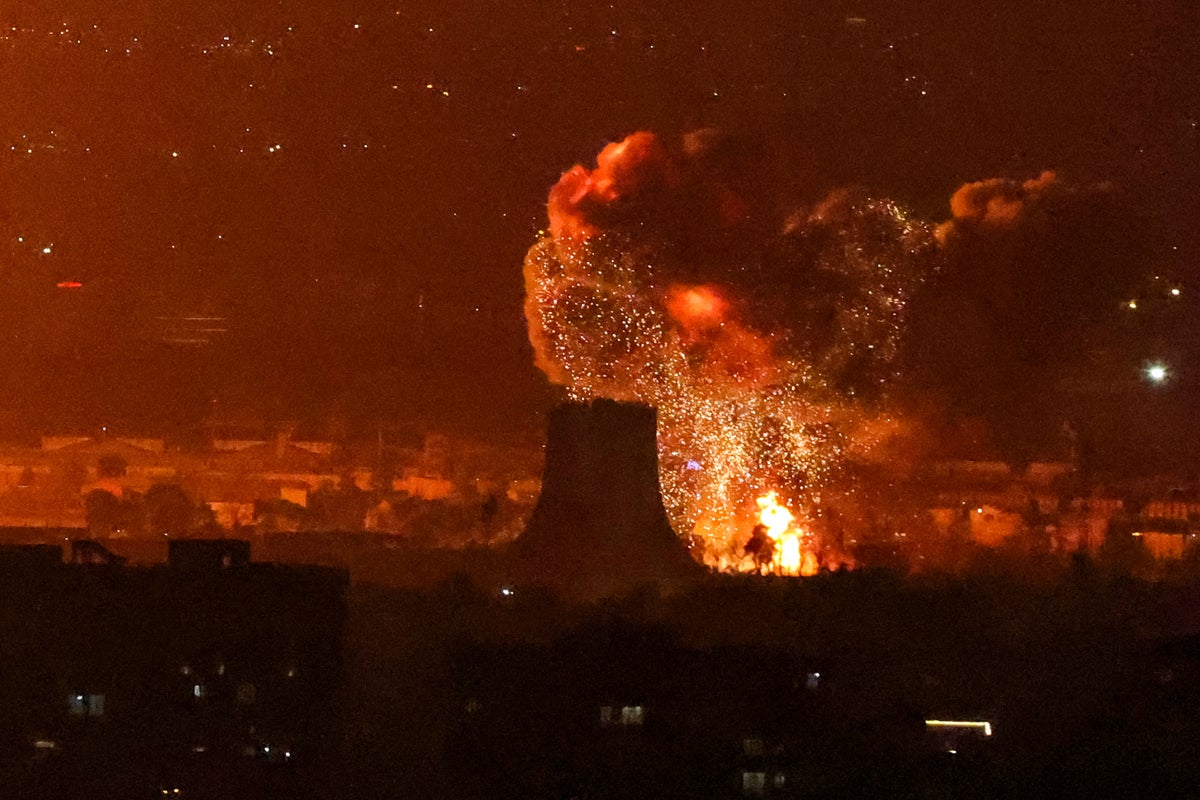
The backdrop to these diplomatic and military maneuvers is an intensely volatile Middle East. The recent escalation stems from a US and Israeli attack on Iran that reportedly killed Supreme Leader Ayatollah Ali Khamenei. Iran has since retaliated with a wave of strikes across the region, leading to a dramatic increase in casualties, with The Red Crescent reporting a death toll of 787 in Iran since fighting began.
This rapid escalation highlights the precarious balance of power and the constant threat of wider regional conflict. The involvement of other international players, such as France dispatching a frigate and anti-missile/anti-drone systems to Cyprus, further illustrates the ripple effect of the conflict. The danger of miscalculation is ever-present, with each strike and counter-strike pushing the region closer to a broader confrontation. Understanding these dynamics is crucial; the conflict is not isolated but interconnected, with potential implications for global energy markets, trade routes, and international security. It's imperative for all parties to recognize the potential for a spiraling escalation and the devastating human cost involved.
The Path Forward: Navigating a New Geopolitical Reality
The current situation in the Middle East, characterized by Trump's blunt dismissal of diplomacy and the UK's defensive deployments, paints a picture of a fractured international response to a deepening crisis. The challenge for global powers now lies in navigating this complex geopolitical reality. Will Trump's "too late" stance on talks and rejection of British help lead to further isolation of Iran, or risk unintended consequences? Will the UK's defensive posture be sufficient to protect its interests, or will it be drawn further into the conflict?
Moving forward, the international community faces several critical challenges:
- De-escalation vs. Deterrence: Finding a delicate balance between showing strength to deter further aggression and creating pathways for de-escalation is paramount. Without clear diplomatic channels, the risk of miscalculation grows exponentially.
- Alliance Cohesion: Rebuilding or reinforcing trust and coordination among Western allies, especially between the US and UK, will be crucial. Disagreements over the efficacy or timing of support, such as the sentiment that British help is too late, undermine collective security efforts.
- Humanitarian Crisis: As military action intensifies, the humanitarian toll rises. International efforts must focus on protecting civilians and ensuring aid reaches those affected by the conflict.
- Information Warfare: In an age of rapid social media dissemination, distinguishing fact from propaganda becomes vital. Citizens and policymakers alike must critically assess information to avoid exacerbating tensions.
The current situation demands careful consideration and strategic foresight from all involved. The declarations from leaders like Donald Trump have far-reaching implications, not just for the immediate conflict, but for the architecture of international relations and alliances for years to come.
In conclusion, the confluence of Donald Trump's uncompromising "Too Late!" declaration for talks with Iran and the UK's proactive deployment of HMS Dragon to secure its interests in Cyprus underscores the intense volatility in the Middle East. This period is marked by escalating conflict, a growing death toll, and discernible friction within traditional Western alliances regarding the appropriate response and the value of coordinated military assistance. The central debate about whether any British help is too late or if diplomacy still holds a path forward highlights the profound challenges facing global leaders as they grapple with a rapidly evolving and unpredictable crisis.